The new year is only a few days old, and our resolutions are still fresh. Alongside the usual goals of exercising more or eating healthier, many people have also decided to bring more order into their homes.
This resolution sounds simple, but it comes with its challenges. Even though we all wish for a neat and tidy home, our inner procrastinator often gets in the way. Here’s how you can still manage to establish lasting order and turn your resolutions into reality—with 15 practical tips guaranteed to help:
Tip 1: Allow Yourself to Dream
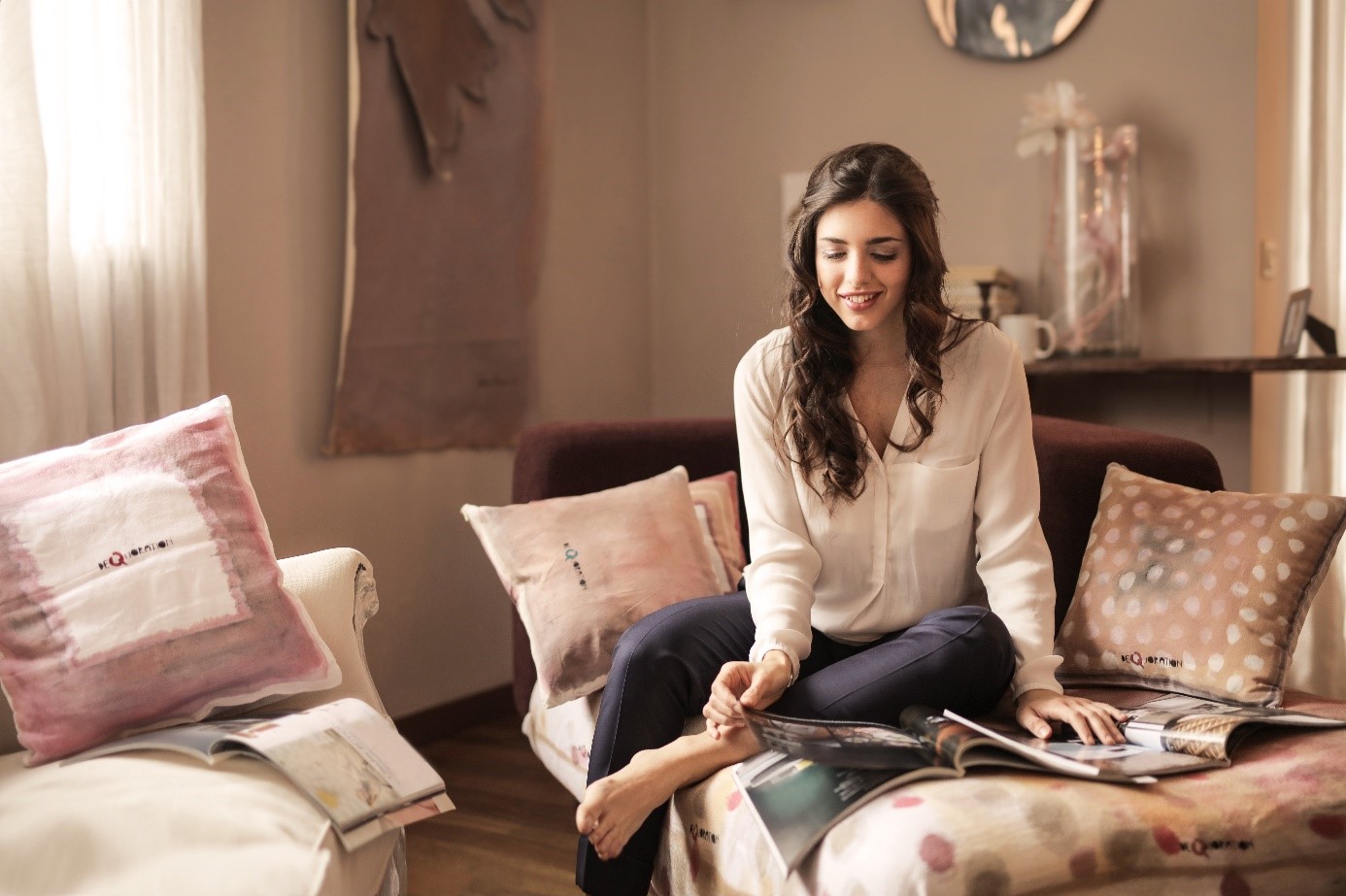
First, imagine what your newly organized home should look like. Feel free to get inspired by magazines, friends’ homes, or images from the internet. Keep these images in mind—having a clear goal makes tidying up much easier!
Tipp 2: Ziele setzen, Pläne schmieden
If you want a permanently tidy home, you need to understand that this won’t happen in just a few hours—it’s a long-term process. Set realistic goals and define a starting point. If your wardrobe feels chaotic—great, start there.
Create a plan outlining when you want to tackle which rooms or “problem areas.” If you already know that you’ll be very busy in the coming months, adjust your plan accordingly and schedule only small tidying sessions each week.
Tip 3: You Can Only Create Order by Decluttering
This tip may be difficult for many people, but it’s absolutely true. Open any cupboard or drawer and take a look—you will definitely find items you neither use nor need, yet they take up valuable space. So why keep them?
Tip 4: Start Small!
Your project will fail if you try to declutter and organize all rooms at once. Only take on as much as you can realistically handle within your chosen timeframe. Start with a single drawer or cupboard. If you still have time and motivation, move on to the next one.
Tip 5: Put Everything in One Place
Even if it sounds chaotic, it’s important to get an overview of your belongings. The easiest way is to take everything out of the area you’re sorting and spread it out. This way, you can clearly see what—and how much—you own, making it easier to let go of things.
Tip 6: Does It Bring Me Joy?
As you begin decluttering, you’ll quickly ask yourself what criteria to use. The Japanese organizing expert Marie Kondo advises her clients: pick up each item and ask yourself whether it brings you joy. If it does, keep it. If not—let it go.
What works well for clothes or books doesn’t always apply to kitchen cupboards or medicine cabinets.
Still, this advice can help. Instead, ask yourself: Can I still use this? Do I actually use it?
Tip 7: Don’t Get Sentimental
During your decluttering process, you will certainly face difficult decisions—especially when it comes to gifts. Whether it’s Aunt Jutta’s crocheted tablecloth you never use, a gardening book you don’t need because you don’t have a garden, or a handmade vase from a friend that simply doesn’t match your interior—Marie Kondo has a professional tip here as well: never start with sentimental items! They slow you down too much. She also suggests remembering that a gift has already fulfilled its purpose at the moment it was given. So feel free to part with items you don’t love—you won’t hurt anyone.

Tip 8: Share
During your decluttering process, you’ll accumulate items you’ve sorted out. While trash should, of course, be disposed of properly, many things you no longer need or like can still bring joy to others. It’s a good idea to collect these items separately and offer them to friends, family, or acquaintances, sell them at (online) flea markets, or donate them to charitable organizations. This way, you not only help others but also make them happy.
Tip 9: Like Belongs with Like
Once you’ve finished decluttering and move on to organizing and storing your belongings, a well-thought-out system is essential. This ensures that you can easily find everything later and that related items are kept together in one place. For example, if all your insurance documents are stored in one place, or if cleaning supplies are kept where they belong, you’ll save time and gain better clarity in the future.
Tip 10: Everything Has Its Place
To establish lasting order, it’s important that everything has a designated place. Just as important is putting things back immediately after use. This way, chaos doesn’t stand a chance. If you don’t yet have a place for new items, think carefully about a practical storage spot.
Drawers, in particular, tend to become messy again quickly. That’s why boxes and containers—whether simple or decorative—are perfect for organizing items. Cables, batteries, ribbons, and office supplies can all be neatly stored this way.
Tip 11: The 2-Minute Rule
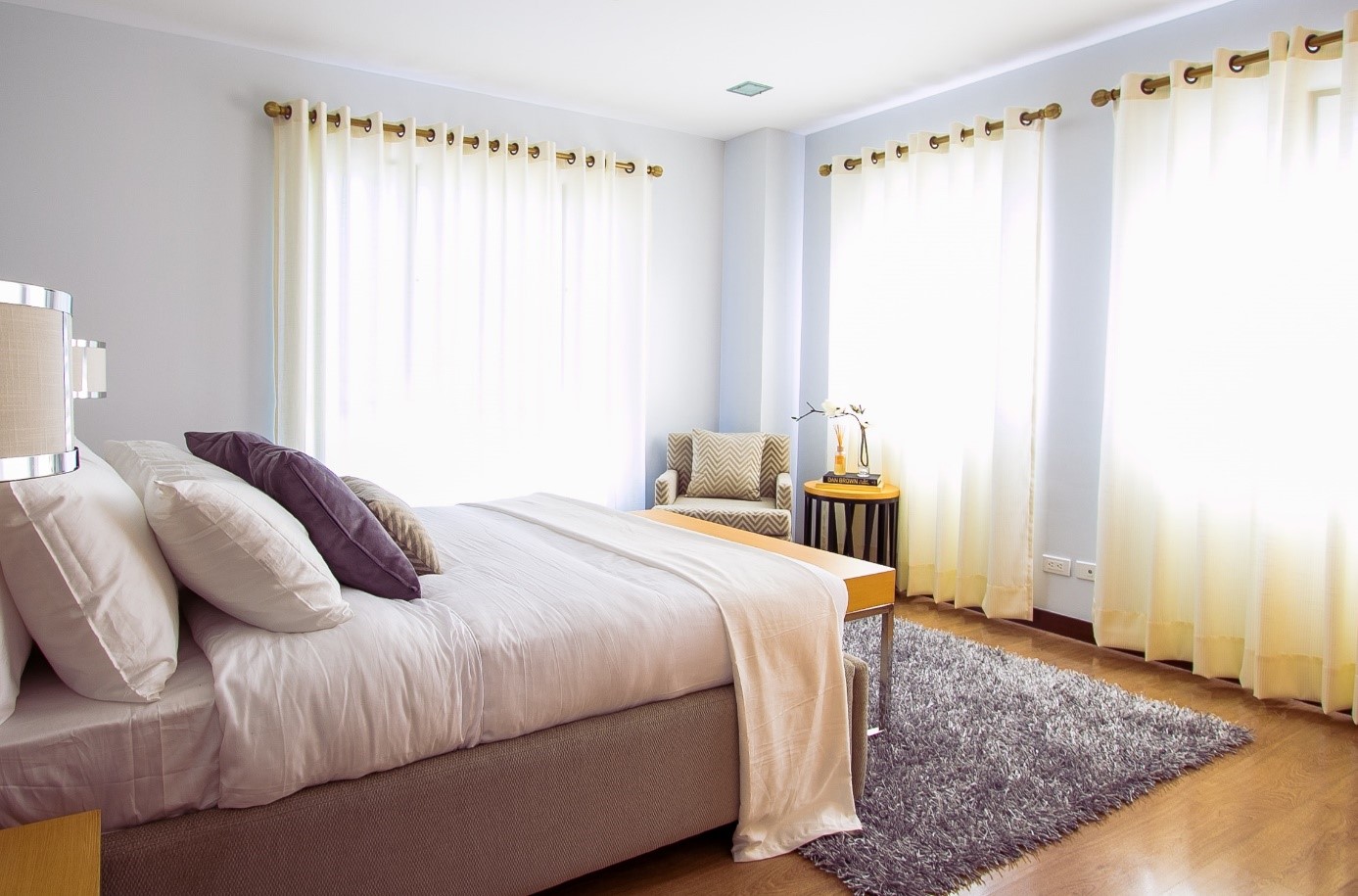
Clutter often arises from postponing small tasks that could be completed in less than two minutes. That’s why you should integrate the 2-minute rule into your daily routine. Anything that takes less than two minutes—do it immediately. Making your bed before leaving the house, sorting your mail right after collecting it, putting dishes straight into the dishwasher, or placing worn clothes directly into the laundry basket—all of this makes your home look tidier instantly, without much effort.
Tip 12: Daily Routines
To keep your home organized, it’s important to develop new routines. Think about what has previously prevented you from maintaining order. Was it lack of time or convenience? Both can be overcome with well-planned routines. Clean the kitchen immediately after cooking, try to iron and put away laundry right after taking it down, and stick to a daily or weekly cleaning schedule. You’ll see—it works!
Tip 13: The 15-Minute Clean-Up
Do you know that moment when the phone rings and someone announces a spontaneous visit? That’s when you suddenly panic and start cleaning and tidying. It’s amazing how much you can accomplish in a short time. To avoid this stress, simply set aside 15 minutes each day. Set a timer and start cleaning and tidying without distractions. You’ll be surprised at the impact these 15 minutes can have on your home.
Tip 14: Stay Consistent
Did you know it takes up to 21 days for new habits to form and stick? That’s why it’s important to stay focused and committed during this time and challenge your inner procrastinator—you’ll thank yourself later.
Tip 15: Make Yourself Comfortable
Have you followed these tips and are now happy with your new home and newfound order? Then you should absolutely be proud of yourself. Enjoy your space, relax whenever you can, and make yourself truly comfortable!